Att vara dig trogen tills döden skiljer oss åt.

Deception Otrohet

För några dagar sen blev min värld lite mindre och luften svårare att andas. Jag var så nära att få ihop ett drömprojekt men någonting (pengar?) kom emellan och jag fick backa ur. Ni har säkert upplevt känslan när alla pusselbitar äntligen faller på plats förutom en. Och så får man ett samtal eller ett meddelande, ”Vi behöver prata.” Och precis då vet man att det är kört. Jag blev iskall om händerna och svettig i ryggen, fick ont i magen och mitt huvud slutade förstå orden som kom ur min sambos mun. Det som skulle vara mitt gick till någon annan.

Jag kommer säkert att tycka att det var väldigt bra när jag tittar på det i backspegeln någon gång men idag tillåter jag mig att känna mig besviken, ledsen, trött, arg och även lite orolig för framtiden. Imorgon har jag förmodligen nya idéer igen.

Jag åkte hem, avbokade två möten och bestämde mig för att rensa i gamla filer och kataloger i datorn. Det var ett avslutat kapitel så jag behövde inte behålla all korrespondens och alla kalkyler som hade med projektet att göra. Märkligt nog så hittade jag en flera år gammal mejlväxling med en väninna. I våra meddelande försökte vi sanera djupa sår och hitta snabba och effektiva sätt att läka. Vi gav råd och blev tröstade. Olika historier, olika omständigheter, samma laddat ord: otrohet. (Jag undrar förresten vad otrohet har för färg och hur det smakar).

Otrohet är ett hett samtalsämne som många blir upprörda av men finns det någon exakt definition? Jag tror inte att otrohet är någonting man planerar och varje människa har sin egen uppfattning om vad som egentligen räknas som otrohet. Det betyder olika saker för olika par, vanligtvis handlar det om att man bryter mot de regler som man har satt upp i ett förhållande. Men var går gränsen för det som är tillåtet och förbjudet? Vad tycker ni räknas som otrohet? En kram, en puss, att hålla handen, en menande flirt, kyssar, något fysiskt som t.ex. massage, hångel, ett samlag, sex av något slag, att se på porr eller dansa tryckare med någon annan eller någon form av känslomässig distansrelation på nätet? Det finns även kulturella aspekter på det. I Frankrike och andra Medelhavsländer är otrohet inget som uppmuntras, men alla vet att det inträffar och skilsmässofrekvensen är lägre.

I tidigare relationer var upplevelsen av att min partner hade en nära intellektuell kontakt med en annan person mycket farligare än att han hoppade i säng med henne. Det gjorde mig mer ont att han kunde berätta saker för henne som jag inte fick veta. Att han bad henne om råd inför viktiga beslut. Att han reste till nya platser med någon annan än mig. Det var viktigare för mig att vara den mest intelligenta person i hans liv än den sexigaste. Att han skulle dela djupa tankar och hemligheter som han inte kunde dela med mig tyckte jag var mycket mer hotande för vår relation än att han skulle ha tillfälligt sex med någon. Ska jag vara riktigt ärlig så vet jag inte om jag verkligen tyckte så men jag försökte leva upp till det och ha distans. Idag tänker jag annorlunda, jag vill ha och ge trygghet och ensamrätt. Det är kanske för att jag känner mig älskad och uppskattad på ett helt annat sätt nu.

I en relation kan det oftast finnas ett ”trohetsavtal” man förväntas hålla sig till utan att man diskuterat avtalets innehåll. Ibland är det lite luddigt om en handling ska räknas som otrohet. Ibland är budskapet om vad som är acceptabelt väldigt otydligt kanske för att man själv inte vet vad man är villig att acceptera (eller att offra). Krav på parrelationen är dessutom enormt stora i dag. Våra förhållanden ska innehålla trygghet, samhörighet, djup vänskap, spänning och sex. Och så ska man ha ett utvecklande jobb och resa till fantastiska platser tillsammans minst en gång om året (ps: glöm för Guds skull inte att dokumentera champagne sunset med älsklingen på instagram). Att tillgodose och få alla dessa behov tillgodosedda av en enda person är näst intill omöjligt.

Det finns många anledningar till varför människor är otrogna men en otrohet är ofta en tydlig signal på att något i förhållandet är bristfälligt. De flesta relationsterapeuter säger att otroheten många gånger speglar andra problem i relationen: längtan efter vänskap, stöd, förståelse, respekt, uppmärksamhet och omtanke. Saker som bra relationer och äktenskap bör innehålla. Den vanligaste orsaken till otrohet är inre missnöje med relationen hos den som är otrogen. Något i personens liv eller förhållande är inte tillfredsställande och otroheten handlar om ett sökande efter det som saknas. Vid skilsmässor och längre relationer som avbryts uppger 80 % av män och kvinnor att de gått skilda vägar för att de inte kände sig uppskattade eller älskade. Kan det vara så att det är den svagare partnern som är otrogen? Är man trygg och stark behöver man kanske inte söka bekräftelse någon annanstans.

Fast när det händer, är det ärlighet att berätta om en otrohet? Det är vanligt att den part i en relation som är otrogen får stora samvetskval och vill lätta på sitt hjärta och förklara sitt handlande på olika sätt för att dela skulden med sin partner, för att ursäkta sig. ”Hade vårt sexliv fungerat så hade jag inte behövt vara otrogen. Hade jag känt att du verkligen älskar mig så skulle jag inte bedragit dig, osv.” Om du är den som har varit otrogen och erkänt det får du acceptera att din partner har stort behov av att få uppmuntran från dig. Du får räkna med att han eller hon under lång tid kommer att fråga och dra upp ämnet om och om igen. Statistiken säger att efterhand som tiden flyter på brukar de flesta par komma över otroheten.

Hur många av er skulle vilja veta att er partner var otrogen?
Skulle det spela någon roll i vilket sammanhang och i vilken relation det hände?
Ni som vet, har ni kunnat acceptera och förlåtit?
Ser ni annorlunda på om det har hänt en eller flera gånger?

We always deceive ourselves twice about the people we love
– first to their advantage, then to their disadvantage
.”
~ Albert Camus

Dofter och minnen

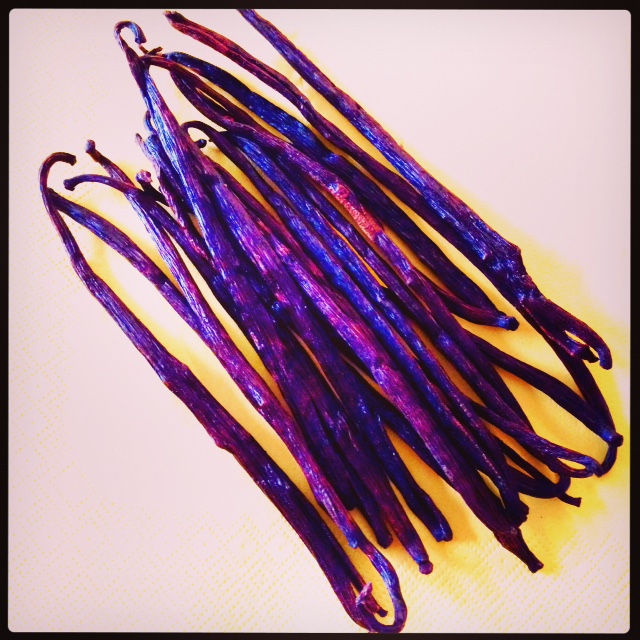
Vanilj Vanilla Memories Minnen Dofter Perfumes

Det finns en sjukdom som heter anosmi, eller luktblindhet, som gör att man inte kan känna eller referera till några dofter eller lukter överhuvudtaget.

Efter en besvärlig virusinfektion var mitt luktsinne totalt avstängt en gång och det var en hemsk känsla. Jag kände mig bedövad på något vis, som om jag tittade på världen genom en glaskula. Som tur är fick jag tillbaka luktsinnet efter några veckor. Jag undrar hur man skulle beskriva en doft, en lukt, ett stinkande, en arom för en person som helt saknar luktsinne. Man kan ju säga att det doftar kanel, eller att det luktar gödsel. Men vad betyder det för någon som aldrig känt med näsan? Det kan även vara lite problematiskt om man inte vet hur man själv luktar.

Det sägs att människans doftminne är det starkaste. Starkare än både syn- och hörselminnen. Luktsinnet som är vårt äldsta sinne, är starkt kopplat till minnen och känslor. Med luktsinnet upplever vi vår omvärld och bedömer snabbt om vi tycker om eller avskyr det vi känner. En doft kan plocka fram bilder och framkalla en förvånansvärt stark känsla. Jag tror att vi alla har upplevt kontakten med en doft som vi inte har känt på väldigt länge och som väcker spöken från en svunnen tid. Dofter öppnar dörren till det förflutna, oftast till vår barndom och kan precis som melodier eller låtar framkalla återblickar till tider eller platser som kan vara starkt förknippade med känslomässiga händelser.

Kaffedoft är en sådan tidsmaskin för mig. Det påminner om alla skollov på Mormors vanilj- och kaffeplantage i östra Madagaskar. Jag har aldrig tyckt om kaffesmak men nyrostade och nymalda kaffebönor utger en doft som framkallar många underbara bilder. Vet du hur nybryggt kaffe med lite kakao på toppen doftar? Aromen gör mig varm och trygg i hela kroppen. Jag får lust att krama världen. Om kaffe är kungen så är vanilj drottningen i mitt kungahus av dofter, så förförisk, så kvinnlig. Namnet kommer från spanskan vainilla som betyder ”liten kapsel” och det är vad doften gör med mig, den kapslar in mig i ett skyddande hölje och jag kan drömma mig bort till tropiska nätter och cikadornas sång.

Vaniljorkidén växer i regnskogen som en klätterväxt och slingrar sig upp på olika träd. Tyvärr har närmre 80 % av regnskogen på Madagaskar skövlats och förlusten ger svåra lokala problem, som översvämningar eller torka, erosion och vattenföroreningar. Den otroliga biologiska mångfalden med växter som ananas, banan, mango, nejlika, citron, te, kakao, peppar, chili, ingefära, muskotnöt, kanel, kaffe, vanilj ligger i fara som en sorglig följd av det.

En och en halv hektar regnskog försvinner varje sekund med tragiska följder för både utvecklingsländer och industriella länder. Det sker oftast i områden som redan har svåra problem med både livsmedelsförsörjning och ekonomi. Tänk om alla dessa växter skulle försvinna och med dem, alla färger, smaker och dofter.

Vad tror du skulle hända med våra minnen?

“Nothing is more memorable than a smell. One scent can be unexpected, momentary and fleeting, yet conjure up a childhood summer beside a lake in the mountains.”
~Diane Ackerman

Måste man förlåta?

Forgiveness Förlåtelse Memories

Idag vill själen gråta. Idag vill inte sorgen försvinna. Idag vill jag skrika. Idag vill jag vara arg. Idag vill jag att någon skall komma och ta hand om allting för idag vill jag komma ihåg.

Det bränner under ögonlocken och jag vill inget annat än bara gråta men det kommer inga tårar. Jag vaknade av ett meddelande från min onkel som undrar anklagande varför jag inte bryr mig om min äldre bror som ligger på sjukhuset och (låtsas) vilja bli bättre från sin skrumplever och diabetes. Jag blir förbannad och ledsen för han river i ett gammalt sår som aldrig får läkas. Det är så mycket min familj inte vet om vad som har hänt mellan mig och min bror, alla gånger han har utnyttjat min vilja att vara en god människa, en förlåtande syster.

Vi som lever med sorgen och skammen att inte ha varit önskade och älskade som barn, hanterar gärna detta genom att livet igenom försöka vara perfekta, hjälpsamma, uppoffrande och på så sätt vinna vårt värde. Det har min bror utnyttjat. Min släkt som dömer mig, vet inte vilken manipulativ och självisk person han är och nu, när han är väldigt sjuk som följder av ett helt liv av missbruk i alla former, så tycker de synd om honom. Och jag är den elaka som vägrar att hjälpa till. De vet inte att han inte gör som läkarna vill, de ser inte att han spelar på allas känslor för att slippa ta sitt ansvar mot sin familj, sina barn. Men de vet (för att han har berättat) att jag inte längre vill prata med honom.

Jag växte upp mellan en far som var ateist (men trodde på utomjordingar) och en mormor som förklarade allt med religionen. Jag fick två motsatta förklaringar till att vända andra kinden. I Mormors kyrka betydde det att förlåta och ödmjukt bjuda på andra sidan. Hos Pappa handlade det om ett försök att finta bort ett slag (om fienden ville slå så skulle man strategiskt vända andra kinden för att undvika att bli slagen). Förlåtelse är ett ideal. Det lär man sig inte minst i kyrkan. ”Fader, förlåt dem, de vet inte vad de gör”, ska Jesus ha sagt när han hängde på korset. Att säga att andra inte vet vad de gör, är det att ödmjukt bjuda på en ursäkt eller är det ett översittande sätt att säga att andra är oansvariga idioter? Måste man som kristen förlåta även den som inte ber om förlåtelse eller ens ångrar sig?

Jag talar inte om vardagsförlåtelsen som när någon tränger sig i kön och man blir irriterad. Eller när grannen kör förbi utan att vinka och vi tänker, han har väl bråttom. Nej, jag pratar om den djupa förlåtelsen, den som kan göra livet kallt och hårt när den inte sker. Många gånger är vägen mot förlåtelse en ensam resa. När relationen är skadad och kontakten är bruten. När vi har om och om igen ältat och plågat oss själva med minnen och förebråelser. När människan vi behöver göra upp med är kanske död och vi sitter med en olöst konflikt och ett öppet sår i själen. Går ett fruset hjärta att tina upp? Hur gör vi oss beredda att förlåta den andra och oss själva? Vad gör vi när vi inte kan glömma sveket, när gårdagens sår inte läks, eller när det förflutnas smärta våldgästar våra hjärtan?

Att förlåta kan vara jobbigt och smärtsamt, oavsett om det handlar om andras svek eller vårt eget. Det är en balansgång. Vi måste tänka oss noga för om det är värt tiden och energin det går åt att vara ledsen, bitter eller arg, eller om vi ska förlåta. Förlåtelse handlar inte om att glömma eller godta det som hänt, eller det någon har gjort. Det handlar om att släppa det, och att sätta punkt och fortsätta med våra liv. Men vi ska akta oss för att tvinga oss själva eller andra fram till en förlåtelse vi inte är beredda att ge. Förlåtelsen som mognat fram är en befrielse. Om vi förlåter eller om vi blir förlåtna blir vi fria att lämna saker bakom oss, fria att gå vidare.

Jag vet att man kan acceptera saker som hänt i livet och packa det långt bak i minnenas byrålåda. Jag har städat i mitt hjärta och jag har gått vidare. Och jag har förlåtit min bror men jag vill inte glömma. Om jag glömmer det han har gjort så kanske han kan göra det igen utan att behöva ta konsekvenserna för sina handlingar, jag vill komma ihåg så jag kan säga nej till mer manipulation, till flera lögner, till mer smärta.

Vad tror du, går det att förlåta allt?
Innebär alltid förlåtelsen att allt är glömt?

“It is easier to forgive an enemy than to forgive a friend.”
~ William Blake

Bookie vs Foodie

Books Bookies Reading

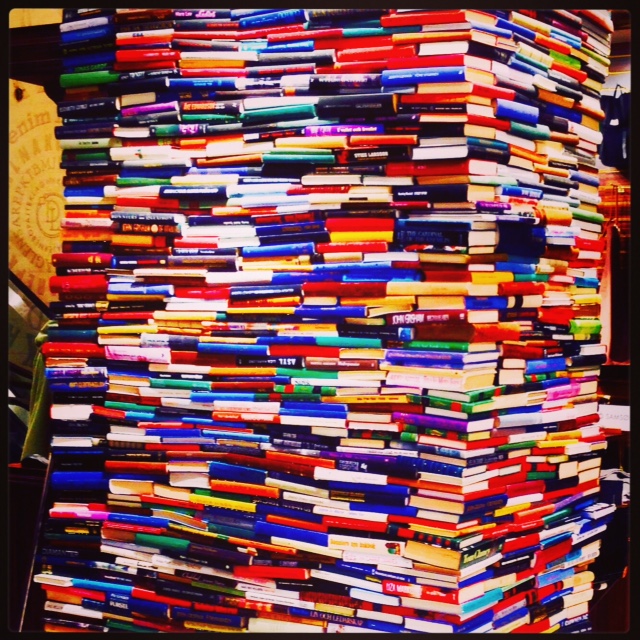
I have a confession to make. I am a bookaholic.

There is a name for my incurable disease: I have a severe case of bibliophilia. I am a voracious reader and I am always looking for a new book to read. It’s a fairly harmless obsession even if it can get expensive but, mostly, it takes a lot of space.

I love the way books smell. And feel. And look. The promises a title gives. If a foodie is a person who has an ardent interest in food and alcoholic beverages (Wikipedia) then I wish I could say I am a bookie (and not refer to a character that takes illegal bets on horse races, fights, sports games.) If a foodie seeks new food experiences then I could describe the concept of bookie as a person who likes books, or enjoys reading, or knowing about writers. But since the word is already taken, let’s stick to book lover, bookaholic.

I was lucky to be born in a home where books were treated like kings and queens. My dad was interested in almost everything: history, natural science, crime, biographies, mysteries, westerns, politics – there wasn’t a genre he hadn’t explored. And the older and lonelier he got, the more his books became his companions. He taught me to respect books; once you open one, you comit yourself to finish reading it, even if you do not really enjoy or understand what the author wants to share. Never break the back of a book and do not fold the corner of a page to remember where you took a break from your reading.

I can disappear in a book and forget to eat, drink or sleep. A life without books is unimaginable and in my experience, reading habits can tell a lot about someone’s character and personality. When I travel, I always try to find the place in the hotel where they collect preowned books and I often find myself daydreaming as I read them, thinking about my book soul mate who held the very same pages before me. I try to imagine who the person was depending on the title, the plot but even on the way the book looks like (if there are stains, cornered or missing pages, notes…) and many times I wish I could meet with the author and understand where the story comes from.

When sightseeing with me, my children usually fear walking by a bookstore. They know that if they let me walk in, I will be gone for at least half an hour (and that is a very short time for me visiting my best friends). I do not like shopping but i can never resist an interesting book, I can easily choose between a new pair of shoes and an old pocket-book.

I have tried to inspire my children to read, and I think I have pretty well succeeded since two out of three share my love and understand my passion for reading. Lately, I have made it my mission to introduce the Paper World to my husband (well, we are not married but I think “boyfriend” is too young a word to describe our relationship). It is such a joy to see how he connects or disagrees with the heroes of the story, entering the World of Written Words and taking curious steps into it.

I love sharing the experience of a book with someone else so I have tried to live up to BookCrossing’s motto: “If you love your books, let them go”. BC, BCing or BXing is defined as the practice of leaving a book in a public place to be picked up and read by others, who then do likewise. It’s about letting books “go free” so that others can find and read them. I tried. And here I have another confession to make: I practice BXing one way: I take but I very seldom give. I have never found a book I wanted to read and left it for someone else. Mea Culpa. They say it’s a great way to get rid of books you don’t want but I want to keep all of mine! I can lend them but then I want them back.

The hardest part of moving and leaving a place is not having enough room to bring my books. It would have been nice to keep every one of the books I’ve read within my reach, but then there would have been hundreds of them sitting on shelves and feeling abandoned. The best place for any book is in the hands of someone who enjoys seeing words on paper, hungry to find out what’s going to happen on the next page.

What is your relationship to books?
If you’ve never used bookcrossing would you?

The only important thing in a book is the meaning that it has for you.
~ W. Somerset Maugham

A case of lost identity.

Lost identity

Identity theft is one of the most widely committed crimes in the world.

How do we define our own identity?

We are all born into different cultures, families and values. Later on we go to college, get a job, some of us get married and we put on new identities related to education, work title, social status. At least, that’s what I did. The man I married was the father of my children and the owner of the company I worked for. We ended up divorcing and a few years later, it became impossible for me to keep my job. So I sort of lost my identity twice within a three years period.

After the divorce, I had the opportunity and freedom to become who I wished to be. I decided to take the chance to remodel my identity and use my experiences to build something new. I made up my mind to move from the city I had lived in the past 20 years and challenge myself to learn new things, meet new people. I also wanted to put space between me and the (place I called) home we had built together and where his new wife had moved in. The day I packed my last box at work, he asked me if I wouldn’t consider staying. Stupid me thought that he was telling me that I was an asset to the company and that he still needed my skills. I was flattered, I felt important and I decided to stay.
I shouldn’t have.

Life went on, sweet and sour like it often is. They say there are no happy divorces and ours was no exception but somehow I thought we would stay friends (enough). Most hurtful was losing the dream of a family, my fantasies about grandchildren visiting and sleeping in their parents’ old rooms, the places we would travel with them. Another sad consequence of the breakup was losing people I thought of as friends who stopped talking to me because I was no longer “someone’s wife”. But all in all, I was happy to have a good job, a cozy apartment, enough nice persons to call friends and a wonderful, caring new companion.

But then came next “separation”. To be honest, I felt it coming. Attitudes, atmosphere, rumors, a lot of changes and then the crack, a nasty argument and I was out of my working place in one day – after 23 years. When you don’t get it the first time, life makes sure you understand it with a clear, new message: it was time for me to move on.

I knew that losing a job is never easy and can cause more distress than just a shrinking income but I had never experienced it personally. It took me a few weeks to understand it was over, like for real. And that I was not on holidays.
At first, I was relieved, I would never again have to face the hatred of the man I (will always) share parenthood of my children with. But, shortly after, I started waking up in the mornings with anxiety attacks. There I was, fifty years old, having worked all my life in the family business, doing my share to make it grow (from thirty-five employees when I started to almost six hundred when I left) and now I would have to find out what to do instead. Being out of work was a terrible feeling, in certain ways I lost my grounding, my footing, my definition. It gave me a sense of insecurity and made me question my place in this world.

‘Who was I? Where was I going? What was I good at? Who did I want to be? What would I do next? What would I do tomorrow morning at 8:00? Would I get up? Would I stay in bed?’ I had not lost a job; I had also lost a big part of who I was.

I felt angry, hurt, panicked, rejected, and scared. I had to use all my experience of coaching other people to remember what I preach, “We are what we think”. If we belittle our achievements and sense of worth with thoughts like “I am too old, I will never find a better job” or “What do I have to offer?” then we prevent ourselves from moving forward. I had to reroute my thoughts and focus on “What’s in this challenge for me?”, “How do I want to start the next chapter of my life?”.

I also tried to remember that many, if not most, successful people have experienced major failures in their careers and turned those failures around by learning from the experience, and trying again. To create the new me, I sat down (or went for long walks) and wandered through some major soul-searching to discover what I truly like doing most. Because, after all, I know we become very good at doing what we love. I wrote my résumé ten times before recognizing the person in it. Trying to define who I was in a CV made me understand how much I valued being the boss of me. More and more often I woke up thinking what a great opportunity it was to make a change, to do something different.  Not necessarily better, but different, something that can inspire me to move forward, maybe a small business, a new education, or stay-at-home-for-a-while-and-write-my-book dream.

There were many things I did to take control of the situation and maintain my spirits:

  • I kept a regular daily routine with a “start” and an “end”.
  • I took care of myself with better food and more exercise, a sweaty walk in the woods is a powerful mood and energy booster.
  • I got plenty of sleep.
  • I prioritized my yoga practice.
  • I took the opportunity to rethink my career goals and rediscover what would truly make me happy.
  • I walked with my kind neighbor (and her sweet dog) and talked to her about what I was going through. I didn’t want her to offer solutions, just be a good listener. The simple act of sharing made me feel better.
  • I wrote about my feelings, expressing everything as they felt.
  • I stopped beating myself up or criticizing or blaming myself for not leaving the first time I had the chance to.
  • I listed my positives, focused on the things I can control and looked for the silver lining. What could I learn from the experience?

Our jobs are much more than just the way we make a living. They influence how we see ourselves, as well as the way others see us. Our jobs give us structure, purpose, and meaning. That’s why job loss and unemployment is one of the most stressful things one can experience. I am so grateful to have friends and family who helped me remember I was more than my old life, more than my old job. I am also grateful for this experience, it will help me understand (and help) my clients if they ever end up in between jobs. And I am mostly grateful for the opportunity to try new things, like running my own little business.

And I will keep in mind that, if something doesn’t work out, there will be other ways.

“Life is like dancing. If we have a big floor, many people will dance.
Some will get angry when the rhythm changes. But life is changing all the time.”
~ Miguel Angel Ruiz

If it bothers you, write it down.

Hands Writing

Why do I write?”

People write for a variety of reasons. For some, it is a career; for others, a hobby. Some write because it helps them sort out their feelings, get what is on their mind in the open. Some people write to share stories, to express love or hatred, they wish to touch someone. Some people write in diaries to record history, to imagine the future or to tell things that they don’t want other people to know.

Why do I write, even though chances are that no one will ever read my words? What is it that makes me want to slave over a handwritten letter or a blog post? Why do I want to share my thoughts?

In my case the correct question to ask would be. “Why do I need to write?”
All my life, I’ve been writing something: poems, letters, statuses, tweets, stories. I have so many post its, enveloppes, notebooks, diaries (I still regret burning those my ex-husband read and used to hurt me, I lost so many years of thoughts and memories to the flames).

I write to exorcise my thoughts. I drive them out like a priest drives out a demon. I write because it’s therapy. Sometimes writing hurts, most times it helps me see things a bit different, from a safer distance.

I write to experience my feelings even more fully and because sometimes I don’t know how to handle them.
I write to remember so I can let go and forget.
I write to create good feelings out of sad memories.
I write when my soul aches so I can remember that no matter how painful the situation, my heart won’t break.
I write when life is so beautiful the moment has to be captured on a piece of paper.
I write because I love words.
I write to sort pros and cons.
I write because it is how I know that I exist.
I write because when I am face to face with my words, I can close the rest of the world outside.
I write because someday I will not remember anymore, and I don’t want to forget the things I have not yet told my children.

There are many theories for how we become right or left-handed, from sun positioning to location of our liver. I learned to write and read when I was four years old. When I started school, the nuns forced me to change hand and write with my right one. I’ve ended up ambidextrous, which is practical. But I got used to considering my right hand as the strong one so I have to focus more with everything I do with my left hand. If I’m in a rush I use my right one. I wonder if I would have developped different sides of my personality if I had not been trained to change hand?

Regardless of which hand we use, our preferred hand is hooked up to the opposite side of our brain. Our right hand is connected to our left brain – the rational side responsible for language, judgment and intellect. Our left side is connected to our right brain, the source of creativity, perception and empathy. If, as science says, our hands are connected to our brains, this should mean that we can stimulate our brains by stimulating our hands. In my coaching sessions, I sometimes use “hand change” as a way to help my clients shift perspective.

If we worked together, I could for example suggest that you focused on your problem, took a pen and moved it to your “wrong” hand. I would then ask you to think of a solution to your situation and draw a symbol for that solution. I’ve had a lot of “aha” results with this method.

In general, I find it very interesting to observe what happens in a person when she is being asked to do things “the other way”. Try brushing your teeth, writing, eating with your other hand. Try putting on your shoes with the other foot first. How does it feel? What happens with your thoughts?

In a longer perspective, ”the other way” could be an excellent exercise to learn to be in someone else’s shoes, walking their path and carrying their rucksack of memories. Maybe we would understand why they do things the way they do. Why we are different but equal.

When we are no longer able to change a situation,
we are challenged to change ourselves.
~ Victor Frankl


Demonerna från Övergångslandet.

När allting faller samman och känns hopplöst och meningslöst. När man gråter utan anledning och känner att allting är så tungt och kroppen skriker ”jag orkar inte”. Vad är det då som händer?

Om jag skriver: vallningar, irritation, nedsatt sexlust, blödningsrubbningar, dramatiska utbrott, hetsätning, viktuppgång, humörsvängningar, depressiva tankar, PMS upphöjd till tusen, vad tänker du på då?

Ja! Du har rätt: jag pratar om kvinnans övergångsålder, K-limakteriet med ett svettigt K – att inte förväxla med menopausen som är tidpunkten för den sista menstruationen. Klimakteriet är en tidsperiod som inträder några år dessförinnan och som kan fortsätta ett antal år efter det att menstruationen upphört.

Vilka livsförändringar kan övergångsåldern medföra? Vilka obehag kan förekomma under klimakteriet? Vilka demoner kommer på besök?

En del kvinnor upplever inga besvär under klimakteriet, deras menstruationer blir oregelbundna och slutligen försvinner helt. That’s it. De flesta upplever en del obehagliga symptom i denna period och för några förändras livet totalt därför att de fått alla klimakteriets symptom i värsta möjliga form. Övergångsåldern varierar mycket från kvinna till kvinna, men det sägs att om du gärna vill veta när din övergångsålder kan förväntas börja, och hur den blir, kan du fråga din mamma om hur det var för henne.

Något av det, som kvinnor i övergångsåldern pratar mycket om, är anfallen av plötslig värme, droppande svettattacker mellan brösten och i ryggen och blossande rodnad i ansiktet och ned på halsens framsida – så kallade blodvallningar. Anfallen är kortvariga, 3-6 minuter, och kommer helt oberoende av situationen fast oftast när man minst vill ha dem. Ja, föreställ er den ljusa blusen, powerpoint-presentationen, allas blickar… Ja, ni förstår.

Somliga kvinnors sömnvanor slås helt i bitar, dels för att de har svårt att somna, men även för att de under natten väcks av vallningar, svettningar och mardrömmar. Svettningarna kan vara så häftiga att lakanen måste bytas flera gånger. Och tvättas.

Värst tycker jag personligen är humörsvängningarna, huvudvärken, minnesrubbningarna och ett djupt under botten toleranströskel. Sambon och barnen förundras ofta över min ökade känslighet, de trodde inte att det var möjligt att min psykiska hud kunde bli ännu tunnare. Huden på kroppen har blivit torrare och… hårigare och tandköttet har börjat blöda lättare, vid varje tandborstning nästan. Många av mina väninnor delar även min upplevelse om att vi får svårare och svårare att gå ner i vikt hur lite vi än äter. Och förutom viktuppgång lider vi av kroniskt utmattning. Vi kan fortsätta vara produktiva och effektiva på jobbet men är för trötta för att fungera bra socialt (jag sitter hellre hemma framför en bok än träffar vänner). Vi orkar inte riktigt med träningen, fast vi vet att vi behöver den (jag svettas mindre på nätterna när jag under dagen ha dränkt min träningskläder). Och det dåliga samvetet gör oss ännu argare. Ond cirkel.

Vad kan göras?

Förr i tiden trodde man att när kvinnan upphörde att få mens blev könskörtlarna ombildade och gjorde kvinnan tokig. Det är tyvärr så även idag att många läkare inte känner till sambandet mellan kvinnors hormoner och deras mentala status. Allt för många kvinnor får höra: ”Dina emotionella problem sitter bara i huvudet” och får antidepressiva. Men att vi lider av en hormonell och biokemisk obalans betyder inte att vi håller på att bli ”tokiga”.

Det finns idag många möjligheter att korrigera den ändring i hormonproduktionen, som resulterar i klimakteriet. Gynekologen kan föreslå extra östrogen när kroppens eget förråd sinar och många kvinnor trivs med ett hormontillskott, som kan vara antingen plåster eller tablett. Fördelen med hormonbehandling är att kvinnan kan bli av med de värsta av klimakteriets besvär. Det ska givetvis vara en avvägning mellan för- och nackdelar, mellan kemiska och naturliga preparater. Östrogenbehandlingen har tidigare misstänkts kunna orsaka bröstcancer, men inga undersökningar har entydigt kunnat bekräfta denna misstanke. Dock avråds från östrogentillskott till kvinnor, i vars släkt det finns klara ärftliga tendenser till bröstcancer, blodpropp eller livmodercancer.

Den kroniska utmattningen kan bero på hög stress och förhöjda kortisolnivåer. Ett salivtest kan enkelt visa hur din nivå ligger till.

Vad kan du göra själv?

Ta hänsyn till dig själv! Efter så många år i sällskap med den är du specialist på din kropp. Ta hand om den, var snäll och tålmodig. Den kommer att omfamna dig många år till.

Motion är något vi kan och bör ägna oss åt. Det räcker med en rask promenad på 20-30 minuter, 3-4 gånger i veckan, det stärker benstommen, ökar vårt allmänna välbefinnande och gör det lättare att somna.

För mig är yoga (utöver långa svettiga skogspromenader) den bästa träningsformen. Den ger ökad styrka och rörlighet (i kropp och sinne) och det finns många ställningar som är höftöppnande så att det blir blodgenomströmning till under­livet, vilket (jag vill tro) hjälper stabilisera mina klimakteriehormoner. I yogan finns även yoga-andningen, som är väldigt lugnande och lindrar sömnbesvär. Och framförallt så blir jag snällare av att leva och tänka yogiskt, snäll mot mig själv, mer accepterande av mina skavanker.

Klimakteriet är ingen sjukdom; det är bara en process i en kvinnas liv, en omställningsperiod i hormonsystemet. Det är en fas i livet när kroppen och dess funktioner förändras. Precis som puberteten.

För många kvinnor betyder klimakteriet att man börjar åldras och komma in i en period av livet då man kanske känner sig utan värde eller betydelse.

”En glad nyhet till alla kvinnor:
Frukta inte klimakteriet!
Det är äggen som går ut i datum,
inte hönan!”

The Crack

The Crack

Since childhood I have been warned about men being selfish sexist cheaters who are only after two things: a career that brings money (read “power”) and sex. Unfortunately I have seen men around me being and doing just that. I have been in friendship and in relationship with a couple of them. No wonder maybe my first big love was a homosexual (I didn’t know he was until he broke my heart but that’s another story).

I am not different from other women who want a partner to share good and tough times with. I long for intimacy, affection, good sex, lazy Sundays together with a soul mate. I want the same thing as everybody else but after three broken relationships, I had low expectations when it came to men. Nobody told me that creating a lasting love story could only happen when I was ready to give and receive the kind of love that feels fulfilling to me. I was constantly expecting to be disappointed as soon as I would take of the pink sunglasses of falling in love. As weeks and months went by, I imagined our future together and came to the bitter conclusion that it would never look the way I desired it to be. Was I realistic or was I sabotaging my relationships? I don’t know but, anyways, every time I sensed the change, I would start holding back on who I was, I would stop giving all I had (and wanted) to give, I would hide in my thoughts and seek comfort in reading and travelling. And, of course, as a self-prophecy, the relationship would start to shrink.

Love has that effect on people, it unveils our secrets, our ugly doubts, all the darkness we thought we had managed to hide away. There is nothing that will reveal you to yourself more than a love affair. Once being in love makes two people believe it is all right to show their weaker, unhealthiest sides, once they expect the other one to mend something in them that was broken before they met, that’s when The Crack makes its entry. Two people can bring out the worst in each other when love has allowed their unhealed wounds to come forward and they can use what love taught them about their companion as weapons to destroy the person they once worshipped.

It’s difficult to believe in someone else’s love when we don’t love ourselves. We cannot heal our wounds before we know what hurts and why. We wait for that someone who will make us complete, who will bring out our better selves and, in the beginning, it really works. But then, we start taking it for granted and the magic stops. And then we start believing once again that we are not worth loving because, Look! Our partner can’t fix us. When it happened to me I would think: “Yes, he is one of those selfish pricks they warned me about.” Next step, I started to focus on The Crack and began to make escape plans.

I wish I had my expectations set straight, I wish someone had told me that love is transformation, it opens the doors to the parts of us that need healing but we have to be prepared to do the job. Nobody can be our everything, no matter how much we (and they) want to be just that. What we accuse our life companion of not giving us are things we refuse to give ourselves and, in the name of love, we make it their duty to fix us and their failure when we cannot receive what they try to give (of course, sometimes, they don’t even try or they’ve stopped trying).

Like a magnifier, love makes everything grow, even our darker spots but it can also help us transform darkness into light if we are honest about wanting to heal and if we take responsibility for our process. Love can be the key but we have to open the door beyond The Crack and do the walking.

I am sure there is a wonderful garden at the end of the dirt road but it takes courage and dedication to leave broken dreams and negative expectations behind. I am walking that path now and, sometimes side by side, sometimes ahead of me and other times behind me, I have this wonderful man who learns to stay strong when I want to run away, who makes me feel safe even when he is afraid to lose me, who keeps on showing me love even when he sometimes doubt that I can love him back as much. And I am learning to give what I receive. We take turns, step by step, we drop our dark spots of fear and open some more to the love we want to give and the love we want to have.

So, if love hasn’t healed you yet, don’t give up, we’re never too old to learn and grow.

“Only when we are no longer afraid do we begin to live.”
~ Dorothy Thompson

Never say never

Regrets

Don’t start today with the broken pieces of yesterday.

I sat in bed last friday, trying like every morning to gather my thoughts and overlook my day. I was trying to watch and follow the clouds in an attempt to calm a pulsing and suffocating ball of anxiety that was making itself comfy between my solar plexus and my throat. A strange mixture of too full and too hollow, the feeling of missing something I have not yet been able to name and at the same time the need to uproot something that was trying to grow and invade me to fatal asphyxiation. (Yes, I have watched both Aliens and the Matrix and the cure to this evil discomfort, as a good friend suggested, might be a good spell from Harry Potter’s Hermione ).

”The ball” has a habit of showing up when I let doubt visit and stay in my dreams. Most of the time I can breathe “it” away, other times I try to reason with it, but now and then it just stays and expands and brings me so low down that I come to think that maybe stopping to breathe might be the only way to stop it. But then I remember how much I love breathing air into my lungs and how curious I am to know what “the ball” wants to tell me. A feeling this strong is not just visiting on its way to a luxury holiday in Vanuatu, there must be a coded message of transformation. Life is about being at a certain place at a certain time. If not, everything would be otherwise. Maybe better maybe worse, but definitely different. And we will never find out. Like we never know in advance what cards we are going to get and how we are going to play them. But if we enter the game, we find out.

I like to think of life as a challenging dish to prepare. We don’t always get all the ingredients that follow the recipe, but since we are hungry, we improvise and we eat to survive. Circumstances can make us jump miles away from our “normal” values and we end up doing things, making choices that we never would have under “normal” conditions (like eating bugs and worms after weeks without food). People we think we know can still surprise us with their actions and thoughts. And we can surprise ourselves too. In good or bad ways. I’ve learned to never say never because we never know.

If we take a closer look at it, avoiding pain, turning our head from truth is kind of selfish, it’s about protection. But fear is a prison and we are our own jailers. When we face our fears and are honest about the way we feel, fear slowly eases its grip and leaves room to strength. Giving in and accepting their full blow is the way to make peace with regrets and create space for something better to come in.

Instead of fairy tales à la “and they lived happily forever after” I wish we were read real stories about how important it is to let go of emotions, relationships and situations that are not allowing us to be happy. Stories about how to always try to do and be the best we can and manuals on understanding that “doing our best” is changing from a situation to another, depending on the circumstances, (although the parameter that should never change is our intention to never hurt). I think we can avoid much of the self judgement, blame and regrets gooey if we intentionally always do our best – even if we end up failing. Falling down is part of walking the path of life, getting back up and taking next step is growing. Real transformation requires real honesty and the biggest liar we can ever meet is often ourselves. It’s amazing the lies we can tell ourselves because of fear. And we know how lies pair up with blame, shame and punishment.

I am mostly a good person and if I’ve hurt with my choices and actions, it was never my intention. I was just trying to move on, survive and win the love lottery. It’s crazy the things I’ve done (or not dared to do) in the name of love. The fear of not being loved if I didn’t do as others wanted me to instead of following my true heart. I have put so many fears of failing and insecurities into other people’s control; I have chased love with the wrong persons and hurt others and myself because I thought I was not worth being loved for who I was. Honestly, how many of you can relate to this?

Some mistakes are printed in indelible ink; we just have to live with them being part of who we are because they were the choices we made. They are deeper in our skin than the inkiest tattoo and they will haunt us anytime they find a tiny hole in our defense mechanism. Once our heart is broken, we can try to hide it well and put the pieces back together, pretending we have moved on and healed. We may look intact on the surface and we can help others from our experience but we will never be quite the same again.

Sometimes I wish the past was like a mirror that I could break. I would pick a piece of it and carefully choose to look at special reflections from behind my shoulder, only the happy parts of what has been. Maybe it would be possible that way to believe that added together the partial reflections would make up a different total view of memories without regrets. A past altogether different. But then I remember that a broken mirror means seven years of unhappiness.

If you could go back and change things about your past, is there one particular moment you would want back?

“Every person from your past lives as a shadow in your mind.
Good or bad, they all helped you write the story of your life, and shaped the person you are today.”
~Doe Zantamata

Surrender to the whatif…

Tonglen Meditation

I am sure I’m not alone regretting decisions I took in moments of deep sorrow or anger. There are many of us waking up to the pounding beat of a heart screaming “What if? What if I hadn’t? What if instead?” It’s a cruel question, and we will never know the answer. We will never find out how it could have been instead since we already made the choice to do as we did.

How often have we hurt ourselves whatif.ing and stamping in the bushland of regrets, remembering the things we’ve done, the words we’ve said (or chosen not to say but should have), recalling the thoughts we’ve had, the decisions we’ve taken, the choices we’ve made? And we start beating ourselves up with the could haves and should haves of smarter, kinder, wiser, stronger, different.

When I try to picture the whatif, I see an ugly, wrinkled, ash-grey blobby monster with sharp yellow teeth and blood-red eyes cutting out pieces of my heart and feeding on my pain and despair. When it comes I try to breathe calmness into my fear. For every deep calm breath I take, the whatif winces and shrinks a tiny bit. For every forgiving word I think, it loses strength. The times I succeed to believe that it is as it is and it cannot be otherwise, the whatif pulls back into its dark smelly cave. Temporarily. I know it will be back because I am (like most people I know) very good at walking down memory lane and choosing the paths full of potholes. I excel at reminding myself how often I have failed to make the “right” choice.

I don’t believe it can disappear but can the whatif be tamed? Groomed? Calmed down? I know that done can never be undone, every choice we make has consequences on ourselves, our surrounding people, everybody’s future. You know, the Butterfly Effect? Every thought, every action multiplies with the amount of people we know and moves around. Not even a hermit can stop the chain of consequences because his choice of stepping out of the world might have hurt someone who consequently lost his faith in love. That’s one possible outcome. Imagine the hermit was a brilliant scientist who has the solution to recreate rainforests in dry parts of the planet, can you figure out all the probable consequences of his retirement?

We are not separate from the whole, there is no destiny on its own, today is the result of many yesterdays as we are the result of the lives and experiences of our many ancestors. And we all did whatever we did in a spirit of survival. I dare say that even the cruellest act was a matter of doing our best to avoid hurt and pain. All the reasons are justifiable in consideration of the person’s background, education, values, needs and wants. We might not understand why and we might totally disagree with some actions but we should never judge another person because we don’t know everything about why they picked that solution among others. We live in a world of probabilities and uncertainties and still we pretend it is all certain and controllable.

Clinging to the past is painful, it is no longer there and it will never come back. It is very difficult to clean our mind from residues of past actions like resentment, anger, revengefulness, envy, regrets but then from time to time, we get into the feeling of here-now and whatsoever experience comes to us, we learn to let it happen, accept it without judging and then let it pass. If you are like me, you know that even after years of emotional healing work, we still sometimes make the mistake of believing that something “out there” makes us angry, depressed, anxious, or afraid. In reality, outside events are only triggers. The cause of every emotion is within us. So let it all out. Surrender.

When things are painful, when situations are difficult, when life seems to go against you, remember to breathe it out. Make peace with the past and breathe.

“Breathing in, I am aware of my heart. Breathing out, I smile to my heart and know that my heart still functions normally. I feel grateful for my heart.”
~ Nhat Hanh

One very powerful and effective way is the practice of tonglen. The Buddhist practice of tonglen can be used to alleviate the suffering of others and increase compassion. When you do this meditation, you simply breathe in and breathe out, taking in pain and sending out spaciousness and relief.